Sustainable Storage
Sustainable Energy Storage for a Circular and Resilient Future
The Center of Excellence for Research in Engineering Materials (CEREM) at King Saud University is advancing sodium-ion battery (SIB) technologies to support sustainable energy storage and diversify battery material supply chains. Because sodium resources are abundant and associated costs are lower, sodium-ion battery technologies offer a promising solution for stationary energy storage, renewable energy integration, and grid resilience. CEREM’s research contributes to the development of a circular economy and advances national energy diversification objectives.
- Resource Abundance
Sodium is widely available, reducing dependence on scarce resources and supporting long-term energy security.
- Cost Stability
Abundant raw materials can lower production costs and reduce vulnerability to fluctuations in lithium prices.
- Grid-Scale Suitability
Sodium-ion batteries demonstrate significant potential for renewable energy storage, peak shaving, and stationary energy applications.
- Sustainability Alignment
Sodium-ion technology supports resource recovery, advances circular economy objectives, and contributes to national energy diversification strategies.
CEREM Research Contribution
CEREM researchers have published a comprehensive review in the International Journal of Energy Research (Wiley, 2024):
- Featured Publication
Progress in Sodium-Ion Batteries: A Focus on Phosphate-Based Cathodes and Their Interaction With Electrolytes
Authors:
Dr. Mushtaq Ahmad Dar (CEREM, KSU)
Dr. Ibrahim Abdullah Alnaser (KSU)
DOI: https://doi.org/10.1155/er/9198966
This review offers comprehensive perspectives on the following:
- Phosphate-based cathode systems, including polyanionic and NASICON-type frameworks
- Electrolyte–cathode interfacial chemistry
- Structural stability and Na⁺ diffusion mechanisms
- Performance optimization pathways for scalable deployment
Strategic Relevance to Saudi Arabia
- Sodium-ion battery research aligns with:
- Saudi Vision 2030 energy diversification goals
- Expansion of renewable energy and grid resilience
- Integration of the water–energy nexus
Advancement of the circular economy and sustainable materials strategies
Given Saudi Arabia’s global leadership in desalination, sodium-based technologies present long-term opportunities for integrating sustainable resource streams into advanced energy storage systems.
Future Directions at CEREM
Research Infrastructure & Experimental Capabilities
CEREM maintains advanced laboratory infrastructure to support the development and evaluation of sodium-based energy storage materials. Our facilities enable controlled synthesis, safe handling of air- and moisture-sensitive components, and comprehensive characterization of electrochemical performance.
These abilities help us carefully study how cathodes and electrolytes work together, how sodium ions move, how stable the interfaces are, and how well the materials perform.
Core Facilities Supporting Sodium-Ion Research
Inert Atmosphere Glove Box System
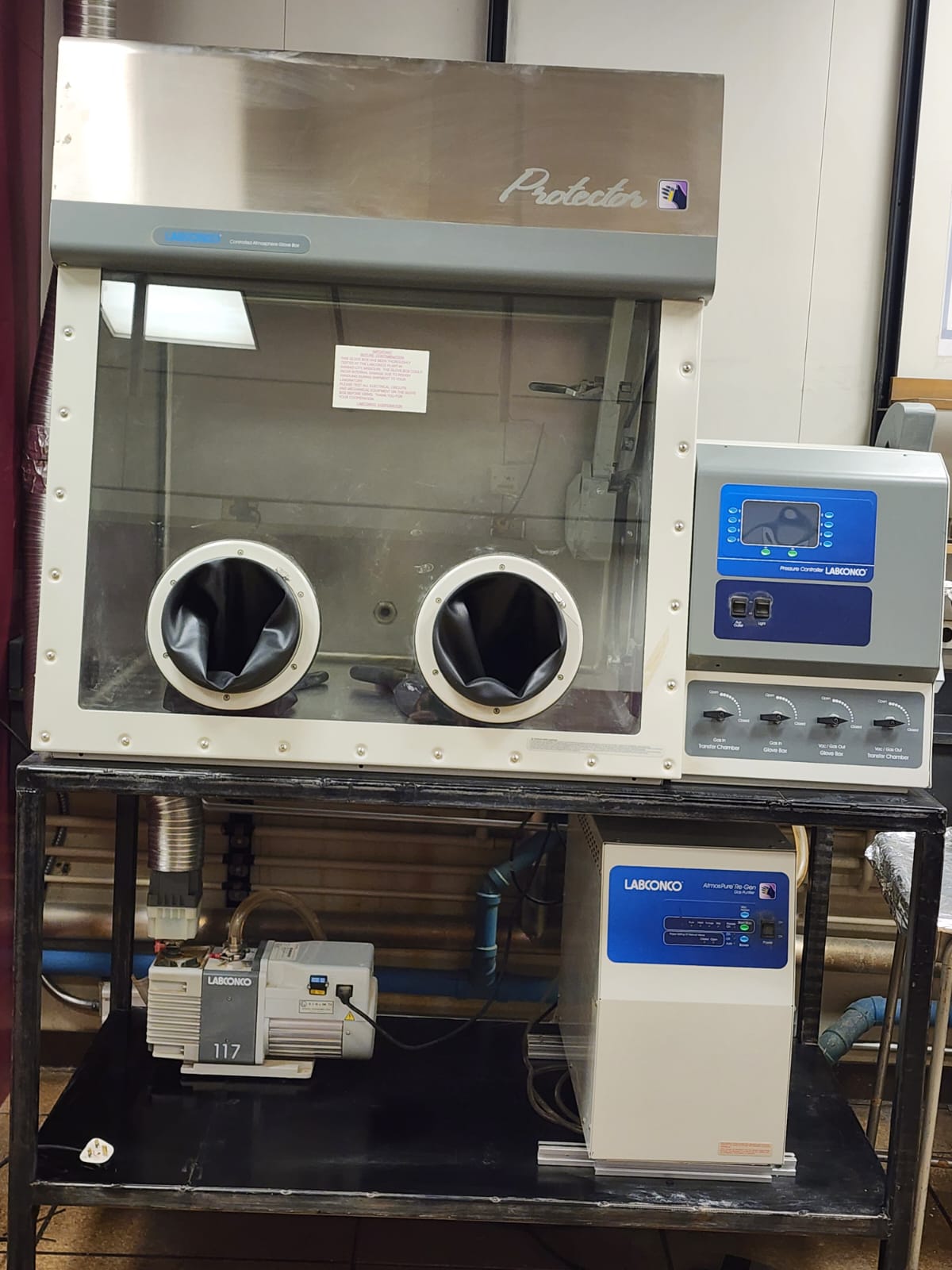
The system provides a controlled argon environment for preparing sodium-based materials and assembling electrochemical cells.
Electrochemical Analysis Systems (Ivium Potentiostat/Galvanostat)
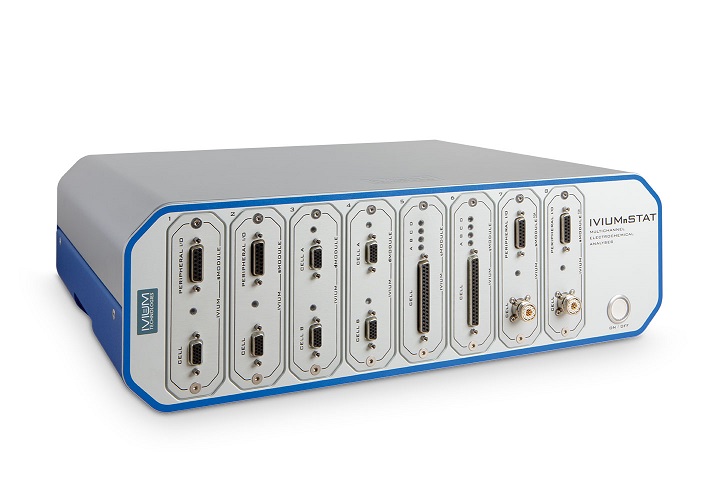
The precise potentiostat/galvanostat system is used to perform CV, EIS, and charge-discharge tests on sodium-ion
These facilities support both fundamental materials research and applied performance optimization studies relevant to scalable energy storage systems.
CEREM continues to strengthen its work in:
- Advanced cathode and anode material engineering
- Electrolyte optimization and interface stabilization
- Sustainable sodium resource utilization
- Scalable materials processing for infrastructure-level applications
Center of Excellence for Research in Engineering Materials (CEREM), King Saud University
Advancing Sustainable Materials and Energy Technologies