Sustainable Sodium Energy Systems
Sustainable Energy Storage for a Circular and Resilient Future
CEREM at King Saud University is advancing sodium-ion battery (SIB) technologies as a sustainable and strategically important alternative to lithium-ion systems.
Sodium-ion batteries are particularly attractive for large-scale and stationary energy storage, offering abundant raw materials, improved supply-chain security, and cost stability. These characteristics make sodium-based systems highly suitable for renewable energy integration and grid-level applications.
Why Sodium-Ion Technology?
- Resource Abundance
Sodium is widely available and not constrained by critical mineral scarcity, supporting long-term energy security.
- Cost Stability
Sodium-based materials offer lower and more predictable costs compared to lithium-dependent chemistries.
- Grid-Scale Suitability
Well-suited for renewable buffering, peak shaving, and long-duration stationary storage.
- Sustainability Alignment
It aligns with the principles of the circular economy and contributes to national energy diversification strategies.
CEREM Research Contribution
CEREM researchers have published a comprehensive review in the International Journal of Energy Research (Wiley, 2024):
- Featured Publication
Progress in Sodium-Ion Batteries: A Focus on Phosphate-Based Cathodes and Their Interaction With Electrolytes
Authors:
Dr. Mushtaq Ahmad Dar (CEREM, KSU)
Dr. Ibrahim Abdullah Alnaser (KSU)
DOI: https://doi.org/10.1155/er/9198966
This review offers comprehensive perspectives on the following:
- Phosphate-based cathode systems, including polyanionic and NASICON-type frameworks
- Electrolyte–cathode interfacial chemistry
- Structural stability and Na⁺ diffusion mechanisms
- Performance optimization pathways for scalable deployment
Strategic Relevance to Saudi Arabia
- Sodium-ion battery research aligns with:
- Saudi Vision 2030 energy diversification goals
- Expansion of renewable energy and grid resilience
- Integration of the water–energy nexus
Advancement of circular economy and sustainable materials strategies
Given Saudi Arabia’s global leadership in desalination, sodium-based technologies present long-term opportunities for integrating sustainable resource streams into advanced energy storage systems.
Future Directions at CEREM
Research Infrastructure & Experimental Capabilities
CEREM maintains advanced laboratory infrastructure to support the development and evaluation of sodium-based energy storage materials. Our facilities enable the controlled synthesis of materials, the safe handling of air- and moisture-sensitive components, and the comprehensive characterization of electrochemical performance.
These abilities help us carefully study how cathodes and electrolytes work together, how sodium ions move, how stable the interfaces are, and how well the materials perform
Core Facilities Supporting Sodium-Ion Research
Inert Atmosphere Glove Box System
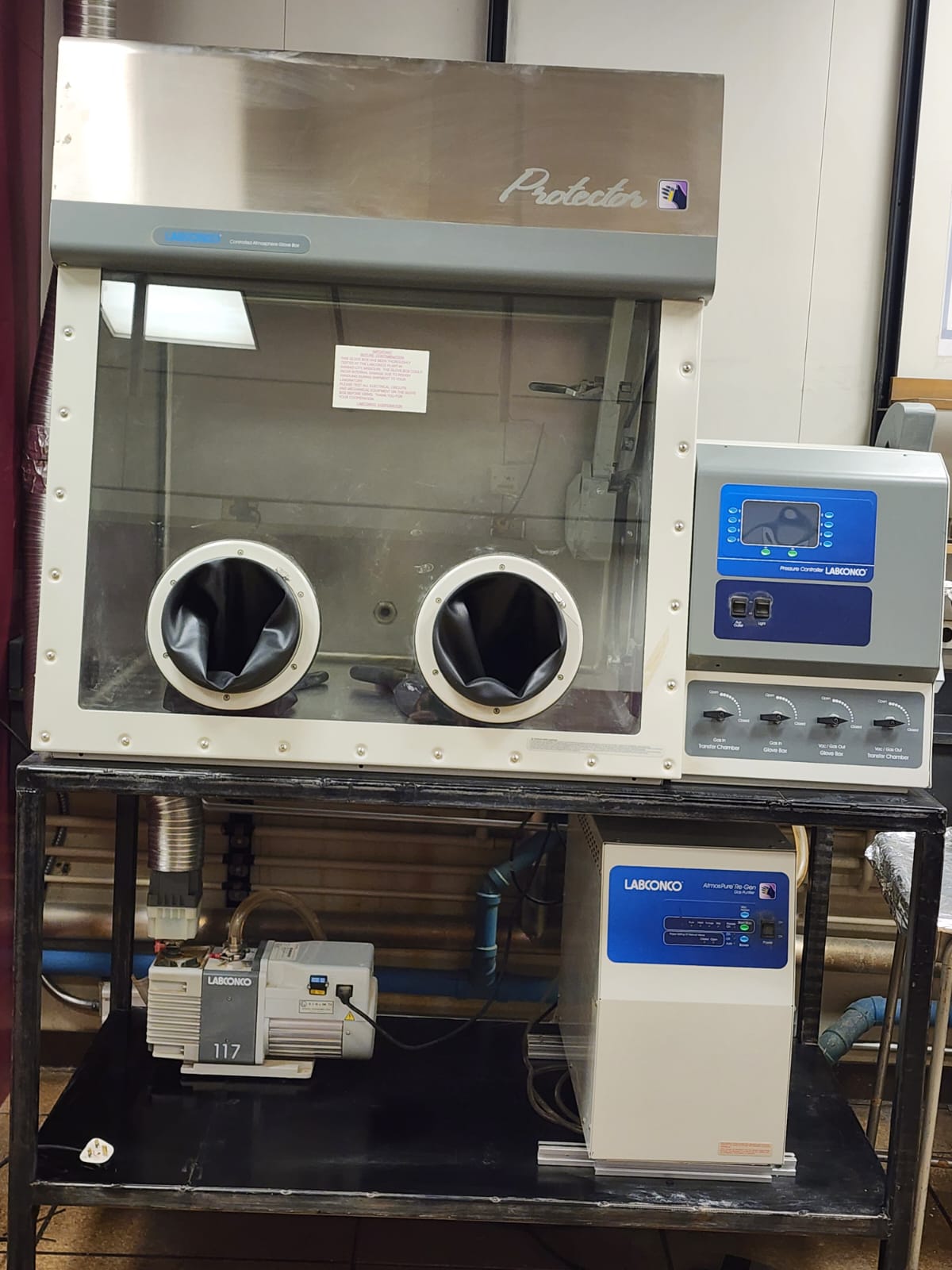
The system provides a controlled argon environment for the preparation of sodium-based materials and the assembly of electrochemical cells.
Electrochemical Analysis Systems (Ivium Potentiostat/Galvanostat)
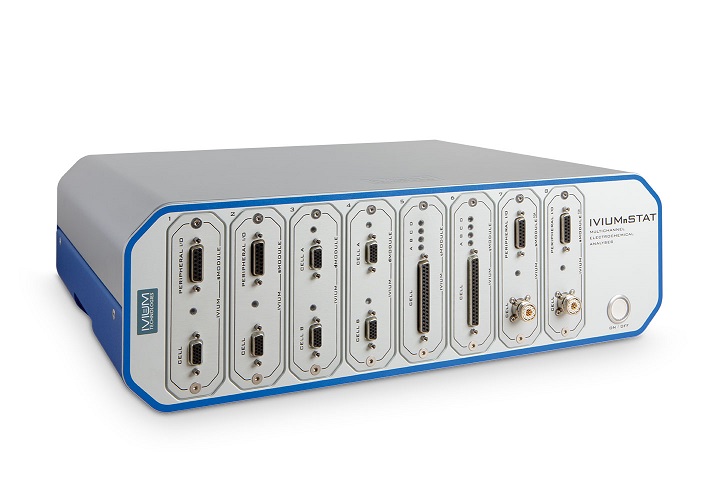
The precise potentiostat/galvanostat system is used to perform CV, EIS, and charge-discharge tests on sodium-ion
These facilities support both fundamental materials research and applied performance optimization studies relevant to scalable energy storage systems.
CEREM continues to strengthen its work in:
- Advanced cathode and anode material engineering
- Electrolyte optimization and interface stabilization
- Sustainable sodium resource utilization
- Scalable materials processing for infrastructure-level applications
Center of Excellence for Research in Engineering Materials (CEREM), King Saud University
Advancing Sustainable Materials and Energy Technologies