CEREM Highlights
(1) أقطاب كربونية متقدمة لتحلية المياه
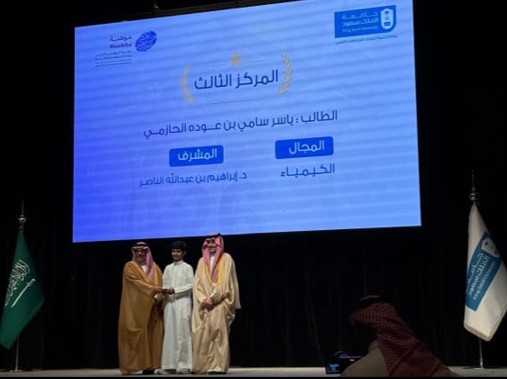
حقق مركز التميز البحثي في المواد الهندسية التابع لعمادة البحث العلمي بجامعة الملك سعود إنجازاً علمياً جديداً، بفوز الطالب ياسر الحازمي بجائزة الجامعة لعام 2026 لأفضل المشاريع البحثية المشاركة في برنامج موهبة البحثي الإثرائي.
وأوضح الدكتور إبراهيم الناصر، مدير المركز، أن المشروع البحثي الفائز استهدف تطوير أقطاب كربونية دقيقة ومحسنة لمعالجة وتحلية مياه الآبار المالحة، وذلك باستخدام تقنية كهربائية موفرة للطاقة، في إطار الجهود الوطنية لمواجهة تحديات ندرة المياه والاعتماد المكثف على المياه الجوفية غير المتجددة، خاصة في القطاع الزراعي، مشيراً إلى أن الفريق البحثي اعتمد على تقنية الاستقطاب الكهربائي السعوي، وهي طريقة فعالة لمعالجة المياه قليلة ومتوسطة الملوحة، حيث تم تصنيع الأقطاب من ألياف الكربون النانوية، ثم تحسينها بإضافة نترات الفضة بتراكيز مختلفة لرفع كفاءتها.
وأظهرت النتائج التي أجريت في مختبرات المركز أن الأقطاب المحسنة بنترات الفضة حققت تحسناً ملحوظاً في كفاءة إزالة الأملاح، حيث أدت الإضافة إلى تقليل قطر الألياف وزيادة مساحة السطح النشطة، مما عزز قدرتها على امتزاز الأملاح، كما اكتسبت هذه الأقطاب خصائص مضادة للبكتيريا، مما يسهم في تحسين جودة المياه المعالجة.
ويعد هذا الإنجاز خطوة مهمة نحو تعزيز الاستدامة البيئية وتقليل الاعتماد على المصادر غير المتجددة، حيث توفر هذه التقنية المبتكرة حلولاً محلية فعالة من حيث التكلفة لمعالجة مياه الآبار المالحة بالقرب من المزارع والمجتمعات الداخلية، بما يدعم استراتيجية المياه الوطنية ورؤية المملكة 2030.
(1) Advanced Carbon Electrodes for Brackish Water Desalination
The Center of Excellence in Engineering Materials at the Deanship of Scientific Research, King Saud University, has achieved a new scientific milestone: student Yasser Alhazmi won the University Award for 2026 for the best research project in the Mawhiba Research Enrichment Program.
Dr. Ibrahim Alnaser, Director of the Center, explained that the winning research project aimed to develop fine, modified carbon electrodes for treating and desalinating brackish well water using an energy-efficient electrical technique, as part of national efforts to address water scarcity and the heavy reliance on non-renewable groundwater, especially in the agricultural sector. He noted that the research team used capacitive deionization, an effective method for treating low- and moderate-salinity water, in which electrodes were fabricated from carbon nanofibers and then modified with silver nitrate at different concentrations to improve efficiency.
Results from the Center's laboratories showed that silver nitrate-modified electrodes achieved a notable improvement in salt removal efficiency, as the addition reduced fiber diameter and increased active surface area, thereby enhancing salt adsorption capacity. These electrodes also acquired antibacterial properties, which help improve treated water quality.
This achievement is an important step toward enhancing environmental sustainability and reducing dependence on non-renewable sources, as this innovative technology provides locally effective and cost-efficient solutions for treating brackish well water near farms and inland communities, supporting the National Water Strategy and Saudi Vision 2030.
(2) تصنيع وتطوير سبائك Ti–Zr–Ta–Mo-Sn للتطبيقات الطبية الحيوية
أطلق مركز التميز البحثي فى المواد الهندسية (CEREM)، التابع لعمادة البحث العلمي بجامعة الملك سعود، مشروعًا بحثيًا لتطوير خمس سبائك متقدمة من 80Ti–10Zr–xTa–yMo-2Sn (x = 0 ~ 8، وy = 8~0) للتطبيقات الهندسية والطبية الحيوية.
يهدف المشروع إلى تحسين الخواص الميكانيكية للسبائك’ ومقاومة التآكل والتوافق الحيوي من خلال تقنيات التصنيع المتقدمة، بما في ذلك الطحن عالي الطاقة، ومعالجة المسحوق، والضغط، والتلبيد. توصيف شامل لتقييم تركيب الطور والبنية الدقيقة والأداء الميكانيكي وسلوك التآكل.
توفر هذه السبائك الخمسة إمكانات واعدة للتركيبات الطبية الحيوية والبيئات الهندسية الصعبة. ويعزز المشروع أيضًا قدرات البحث والتصنيع في مجال المواد في جامعة الملك سعود، ويدعم تطوير مواد عالية الأداء تعتمد على التيتانيوم للتطبيقات التكنولوجية والصناعية المستقبلية.
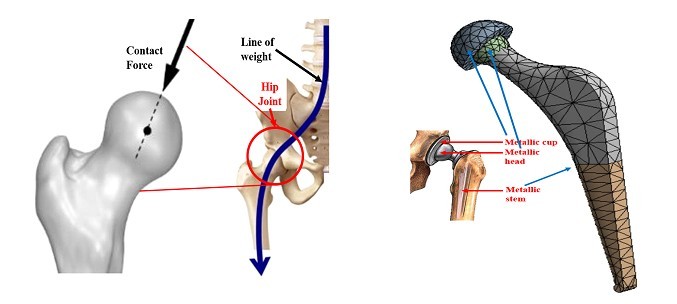
تصنيع وتوصيف سبائك جديدة ذات قاعدة تيتانيوم للتطبيقات الطبية الحيوية
(2) Fabrication of Ti–Zr–Ta–Mo Advanced Alloys for Biomedical Applications
The Center of Excellence for Research in Engineering Materials (CEREM), affiliated with the Deanship of Scientific Research at King Saud University, has launched a research project to develop five advanced 80Ti–10Zr–xTa–yMo-2Sn (x = 0 ~ 8, and y = 8~0) alloys for engineering and biomedical applications.
The project aims to optimize the alloys’ mechanical properties, corrosion resistance, and biocompatibility through advanced fabrication techniques, including high-energy ball milling, powder processing, compaction, and sintering. Comprehensive characterization to assess their phase composition, microstructure, mechanical performance, and corrosion behavior.
These five alloys offer promising potential for biomedical implants and demanding engineering environments. The project also strengthens materials research and manufacturing capabilities at King Saud University, supporting the development of high-performance titanium-based materials for future technological and industrial applications.
(3) مركز التميز البحثي في المواد الهندسية بجامعة الملك سعود يحقق إنجازاً نوعياً في أبحاث بطاريات الصوديوم واستثمار المياه المالحة
في إنجاز علمي بارز يعزز مكانة الجامعة الريادية، يواصل مركز التميز البحثي في المواد الهندسية (CEREM) بجامعة الملك سعود تحقيق خطوات متقدمة في تطوير أبحاث بطاريات الصوديوم، إلى جانب استكشاف الاستفادة من المنتجات الثانوية لعمليات تحلية المياه كمصادر مستدامة لمواد تخزين الطاقة. ويأتي هذا التوجه ضمن جهود المركز المستمرة لربط البحث العلمي باحتياجات التنمية؛ حيث نشر باحثو المركز دراسة علمية متقدمة بعنوان (Progress in Sodium-Ion Batteries: A Focus on Phosphate-Based Cathodes and Their Interaction With Electrolytes) وذلك في المجلة الدولية لأبحاث الطاقة لعام 2024. واستعرضت الدراسة مواد الأقطاب الموجبة القائمة على الفوسفات، وتفاعلات الأقطاب مع المحاليل الإلكتروليتية، والاستقرار الهيكلي، إضافة إلى سبل تعزيز الكفاءة الكهروكيميائية، مما يرسخ قاعدة علمية صلبة لمواصلة الأبحاث في مجال تخزين الطاقة المعتمد على الصوديوم.
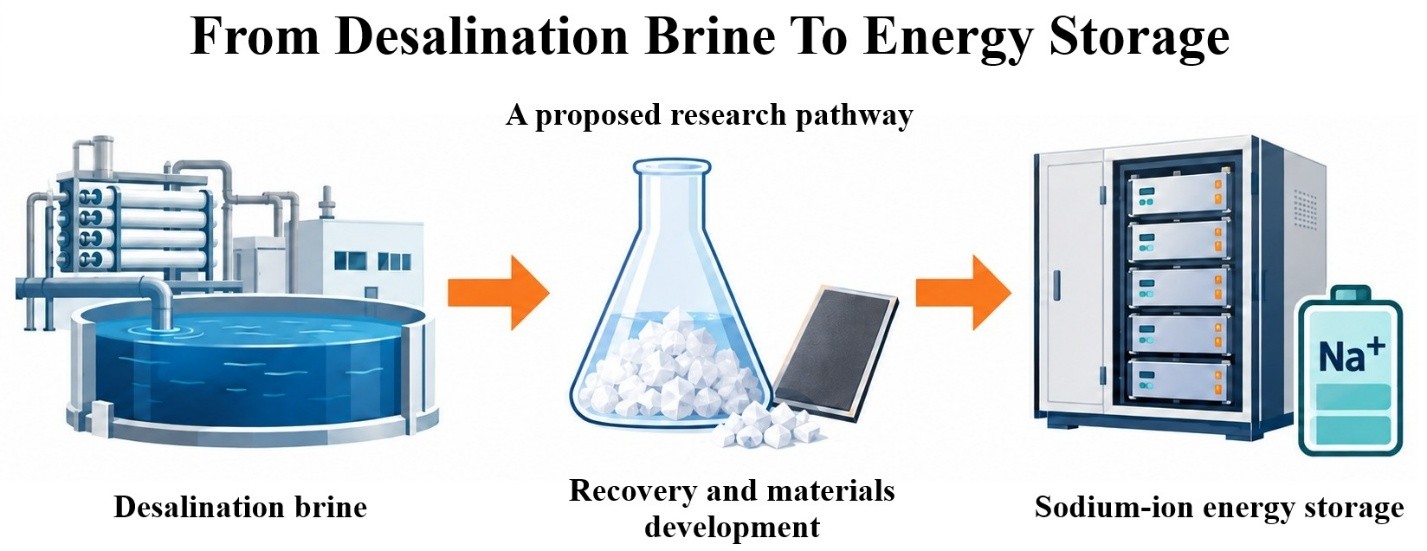
وفي خطوة عملية لربط الأبحاث بالتطبيقات، استعرض المركز هذا الاتجاه البحثي خلال مؤتمر (IFAT) الدولي، من خلال جلسة متخصصة حملت عنوان (Transforming Desalination Waste into Resources for Sustainable Sodium-Ion Energy Storage). وقدّمت الجلسة نموذجاً مقترحاً لتحويل المحاليل الملحية الغنية بالصوديوم الناتجة عن التحلية إلى موارد نقية ومستردة، وصولاً إلى مراحل تحضير واختبار مواد البطاريات المتقدمة. ويعمل هذا النهج على دمج إدارة النفايات الناتجة عن قطاع المياه مع تطوير مواد الطاقة، إذ تتوقف جدوى هذا التوجه على كفاءة الاسترداد، ونقاء المنتجات، وتكاليف المعالجة، واستقرار أداء البطاريات. ويعتمد المركز في تقييم هذه العوامل على خبراته الواسعة في تحليل خصائص المواد، وتصنيع الأقطاب، وتجميع الخلايا، والاختبارات الكهروكيميائية.
وتعليقاً على ذلك، صرح الدكتور إبراهيم الناصر، مدير المركز قائلاً إن هذا التوجه البحثي يجمع بين أولويتين استراتيجيتين بالغتي الأهمية للمملكة، وهما الاستغلال الأمثل لموارد قطاع المياه وتطوير تقنيات تخزين الطاقة، مضيفاً أنه من خلال التعاون مع قطاع المياه والصناعة، يسعى المركز إلى تقييم كيفية تحويل هذه المفاهيم الواعدة إلى حلول عملية. وقد عكس تفاعل الحضور وأسئلتهم خلال الجلسة في مؤتمر (IFAT) اهتماماً بالغاً بالروابط المشتركة بين موارد قطاع المياه وتقنيات تخزين الطاقة، ويعتزم المركز التوسع في أبحاثه المنشورة عبر مزيد من التعاون والدراسات المستمرة بهدف تعزيز كفاءة الموارد ودعم الأمن المائي وتنويع مصادر الطاقة.
(3) CEREM Advances Sodium-Ion Battery Research and Introduces Brine Recovery Concept at IFAT
Riyadh – The Center of Excellence for Research in Engineering Materials (CEREM) at King Saud University is advancing sodium-ion battery research and investigating desalination byproducts as potential sources of materials for energy storage.
As part of this initiative, CEREM researchers published “Progress in Sodium-Ion Batteries: A Focus on Phosphate-Based Cathodes and Their Interaction With Electrolytes” in the International Journal of Energy Research in 2024. This review analyzes phosphate-based cathode materials, electrolyte-electrode interactions, structural stability, and strategies to enhance electrochemical performance. The publication establishes a scientific basis for continued research into sodium-based energy storage.
CEREM presented this research direction at the IFAT conference in a session titled “Transforming Desalination Waste into Resources for Sustainable Sodium-Ion Energy Storage.” The presentation outlined a pathway from sodium-rich brine to recovered, purified resources, culminating in the preparation and testing of battery materials.
This approach integrates desalination waste management with materials development. Its feasibility depends on recovery efficiency, product purity, processing costs, and consistent battery performance. CEREM’s expertise in materials characterization, electrode fabrication, cell assembly, and electrochemical testing enables comprehensive evaluation of these factors.
Dr. Ibrahim Alnaser, Director of CEREM, stated: “This research direction brings together two important priorities for the Kingdom: making better use of water-sector resources and developing energy storage technologies. Through collaboration with the water sector and industry, we aim to evaluate how promising materials concepts can be developed into practical solutions.”
Audience questions during the IFAT session demonstrated significant interest in the relationship between water-sector resources and energy storage. CEREM intends to expand upon its published research through continued investigation and collaboration to advance resource efficiency, water security, and energy diversification.
(4) KSU Researchers Develop New Membrane Materials for Lower-Energy Seawater Desalination
An Environment Fund–supported project at King Saud University is developing polymer nanocomposite membranes to make turning seawater into fresh water more energy efficient.
The project, supported by the Environment Fund, is led by Principal Investigator Professor Mohammad Rezaul Karim, with Dr. Muhammad Omer Aijaz, Research Scientist at CEREM, serving as Co-Principal Investigator.
At the heart of many desalination systems is the membrane: a thin barrier that separates fresh water from salt. The team is developing polymeric nanocomposite membranes, which are polymer materials enhanced with nanoscale additives, with the aim of improving membrane performance and supporting lower-energy desalination. The work covers material development, membrane characterization, and testing under relevant desalination conditions.
Dr. Ibrahim Al-Nasser, Director of CEREM, stated that the project supports the development of innovative materials and technologies for sustainable desalination. He emphasized the importance of energy-efficient desalination solutions for water security and the sustainable management of natural resources in the Kingdom.
Because desalination plays a vital role in the Kingdom’s water supply, more efficient membrane materials could help reduce the energy and environmental cost of producing fresh water. The project reflects King Saud University’s commitment to research and innovation in sustainable water technologies and supports national goals for long-term water security and efficient resource use.
(5)مركز التميز البحثي في المواد الهندسية بجامعة الملك سعود يطور مواد مركبة خفيفة الوزن لتطبيقات الدفاع والصناعات الاستراتيجية
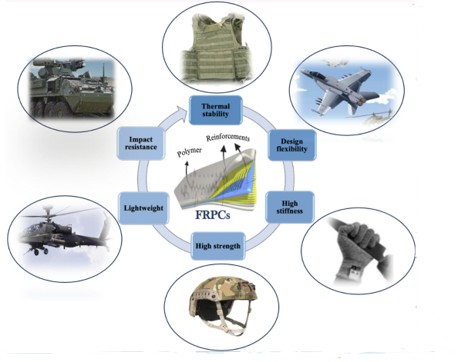
في إطار مساهمته الفاعلة في دعم مسيرة الابتكار التقني وتوطين التقنية في المملكة، يطور التميز البحثي في المواد الهندسية (CEREM) بجامعة الملك سعود مواد مركبة متقدمة خفيفة الوزن وعالية المتانة؛ لتلبية الاحتياجات المحتملة لقطاعات الدفاع والصناعات الاستراتيجية في المملكة العربية السعودية.
يركز البحث العلمي على دمج المواد خفيفة الوزن مع تقنيات تعزيز متقدمة؛ لتحقيق مستويات فائقة من القوة، والصلابة، والمتانة، ومقاومة ظروف التشغيل القاسية. وتتميز هذه المواد بتطبيقاتها الواعدة في هياكل المركبات المدرعة، واللوحات الواقية، ومنصات النقل العسكري، والهياكل الخفيفة لجسم المركبات، فضلاً عن المكونات الدفاعية الأخرى التي تتطلب خفة الوزن.
ويعتمد الفريق البحثي على تقنيات معالجة متقدمة، والفحص المجهري الدقيق، والاختبارات الميكانيكية، إضافة إلى النمذجة الحاسوبية؛ بهدف تحسين بنية المواد ورفع كفاءة أدائها.
ويتيح هذا الإنجاز البحثي آفاقاً واسعة للتعاون المشترك مع شركات الدفاع والتصنيع الوطنية في مجالات تطوير المواد المركبة، وهياكل التدريع الخفيفة، وتصنيع المكونات، والاختبارات، والتحقق من التطبيقات العملية؛ بما يدعم أهداف رؤية
المملكة في توطين التقنية، وتعزيز الصناعات المتقدمة، وتطوير مواد دفاعية هندسية محلية الصنع.
(5) Advanced Lightweight Composite Materials for Saudi Defense Applications
The Center of Excellence for Research in Engineering Materials (CEREM), King Saud University, is developing lightweight, high-strength composite materials for potential applications in Saudi Arabia’s defence and strategic industries. The research focuses on combining lightweight materials with advanced reinforcement technologies to achieve improved strength, stiffness, durability and resistance to demanding service conditions.
The developed composite materials have potential applications in armored vehicle structures, protective panels, military transport platforms, lightweight body structures and other weight-sensitive defense components. Advanced processing, microscopy, mechanical testing and computer modelling are being used to optimize material structure and performance.
This research provides opportunities for collaboration with Saudi defence and manufacturing companies in composite material development, lightweight armour structures, component manufacturing, testing and application-specific validation, supporting the Kingdom’s goals of technology localization, advanced manufacturing and development of locally engineered defence materials.
(6) Rethinking Farm Plastics: KSU Project Develops Sustainable Agricultural Films
King Saud University researchers are developing polymer films that aim to meet farmers’ practical needs while reducing the environmental footprint of agricultural plastics.
Plastic films are used on farms around the world to cover greenhouses, protect soil and crops, and preserve animal feed. As their use grows, so does the challenge of managing the plastic waste they leave behind.
According to the Food and Agriculture Organization of the United Nations (FAO), agricultural production uses an estimated 13.4 million tonnes of plastics annually worldwide. Global demand for greenhouse, mulching, and silage films is projected to increase by about 50%, from 6.1 million tonnes in 2018 to 9.5 million tonnes by 2030.
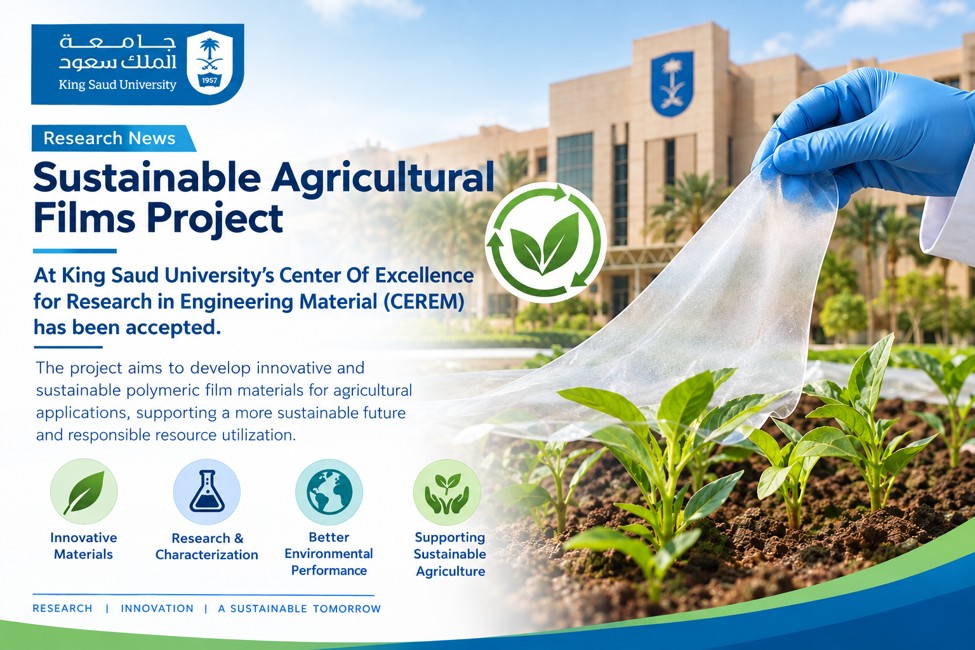
To help address this challenge, the Center of Excellence for Research in Engineering Materials (CEREM), affiliated with the Deanship of Scientific Research at King Saud University, is conducting a research project to develop sustainable polymeric films for agricultural applications. The project is led by Principal Investigator Dr. Muhammad Omer Aijaz, Research Scientist at CEREM, with Professor Mohammad Rezaul Karim serving as Co-Principal Investigator.
The team is developing and evaluating new polymeric film materials designed to improve environmental performance while keeping the functional properties required for agricultural use. The work includes material development, laboratory characterization, and performance evaluation under relevant environmental conditions.
Dr. Ibrahim Al-Nasser, Director of CEREM, stated that the project supports sustainability and innovation in agricultural materials. He highlighted the importance of developing advanced polymeric materials that can contribute to more sustainable agricultural practices and responsible resource use.
The project reflects King Saud University’s commitment to research and innovation in sustainable materials and supports the Kingdom’s environmental and sustainability objectives, including reducing material waste and promoting responsible resource use in agriculture.
(7) مركز التميز البحثي في المواد الهندسية بجامعة الملك سعود يستكشف آفاقاً جديدة لألومنيوم أقوى وأخف وزنًا
يستكشف مركز التميز البحثي في المواد الهندسية(CEREM) في جامعة الملك سعود طريقة واعدة لجعل الألومنيوم أكثر قوة ومتانة، وأكثر ملاءمة للتطبيقات الهندسية المستقبلية؛ حيث تركز الأبحاث على تحسين خصائص الألومنيوم باستخدام كميات ضئيلة جداً من مواد أخرى مع الحفاظ على خفة وزنه المعهودة.
اعتمد الباحثون تقليدياً على إضافة كميات كبيرة نسبياً من مواد سيراميكية صلبة، مثل كربيد السيليكون (SiC) وأكسيد الألومنيوم (Al₂O₃)، لتقوية الألومنيوم. غير أن الإفراط في إضافة هذه المواد قد يجعل المادة المركبة الناتجة أثقل وزناً، وأكثر هشاشة، وأصعب في التصنيع؛ وهو ما دفع فريق البحث إلى استكشاف مقاربات مبتكرة تهدف إلى تحسين الأداء باستخدام إضافات ضئيلة للغاية.
يبحث فريق مركز (CEREM) فيما إذا كان استخدام كميات أقل يمكن أن يحقق نتائج أفضل؛ إذ تعتمد هذه المقاربة على استخدام نسبة تقل عن 1% وزناً من تلك المواد السيراميكية، مع دمجها بنسب غير متساوية ومدروسة بعناية. وتعمل مادة كربيد السيليكون على تحسين الصلابة ومقاومة التآكل، بينما يسهم أكسيد الألومنيوم في تعزيز قدرة المادة على تحمل درجات الحرارة العالية ومقاومة المواد الكيميائية، مما يوفر مساراً واعداً لتطوير الألومنيوم دون زيادات ملحوظة في وزنه.
يهدف البحث إلى تطوير مادة أساسها الألومنيوم تتمتع بقوة ومتانة ومقاومة أفضل للتلف، وفي حال أكدت الاختبارات المستقبلية هذه الإمكانات، فستسهم المادة الجديدة في تلبية احتياجات الصناعات التي تتطلب مكونات تتميز بالخفة والموثوقية العالية في آن واحد، كما قد يساعد المحتوى المنخفض من السيراميك في الحفاظ على جودة سطح المادة وتعزيز مقاومتها للتآكل.
وفي تعليق له على أهمية هذا البحث، صرح الدكتور إبراهيم الناصر، مدير مركز (CEREM)، قائلاً إن هذا المشروع يُعد خطوة مهمة نحو الابتكار في مجال علم المواد، ومن خلال إثبات أن الإضافات الضئيلة قادرة على تحقيق مستويات عالية من القوة، يسهم مركز (CEREM) في تطوير مواد أخف وزناً وأكثر كفاءة في استهلاك الطاقة لصالح القطاعات الصناعية الحيوية.
تتمتع المادة الجديدة بتطبيقات مستقبلية واعدة في عدة قطاعات؛ ففي قطاع السيارات الكهربائية قد تتيح تطوير هياكل بطاريات أخف وزناً ومكونات مكابح متينة تساهم في رفع كفاءة الطاقة، وفي قطاع الطيران والفضاء يمكن استكشافها لصناعة هياكل الطائرات بدون طيار وأجزاء الطائرات التي تعد خفة الوزن ركيزة أساسية فيها، بينما قد تدعم في قطاع السيارات التقليدية تصنيع مكونات معمرة، وفي التطبيقات البحرية قد تكون ملائمة للأجزاء المعرضة لمياه البحر بفضل مقاومتها المحتملة للتآكل.
وعلى الرغم من الحاجة إلى مزيد من الأبحاث والاختبارات لتأكيد أداء المادة في ظروف التشغيل الواقعية، إلا أن هذه المقاربة تقدم اتجاهاً مبشراً لتطوير المواد المتقدمة؛ فمن خلال الدمج المدروس لكميات ضئيلة من مواد متنوعة، يمكن لأبحاث مركز (CEREM) الإسهام في إنتاج مركبات ألومنيوم مستقبلية تتميز بأنها أخف وزناً، وأقوى، وأكثر ديمومة، مما يبرز دور الابتكار في تصميم المواد لتلبية متطلبات الصناعات الهندسية الحديثة.
(7) CEREM Research Explores New Possibilities for Stronger, Lightweight Aluminum
The Center of Excellence for Research in Engineering Materials (CEREM) at King Saud University is exploring a promising way to make aluminum stronger, more durable, and better suited for future engineering applications. The research focuses on improving aluminum using very small amounts of other materials while maintaining its lightweight nature.
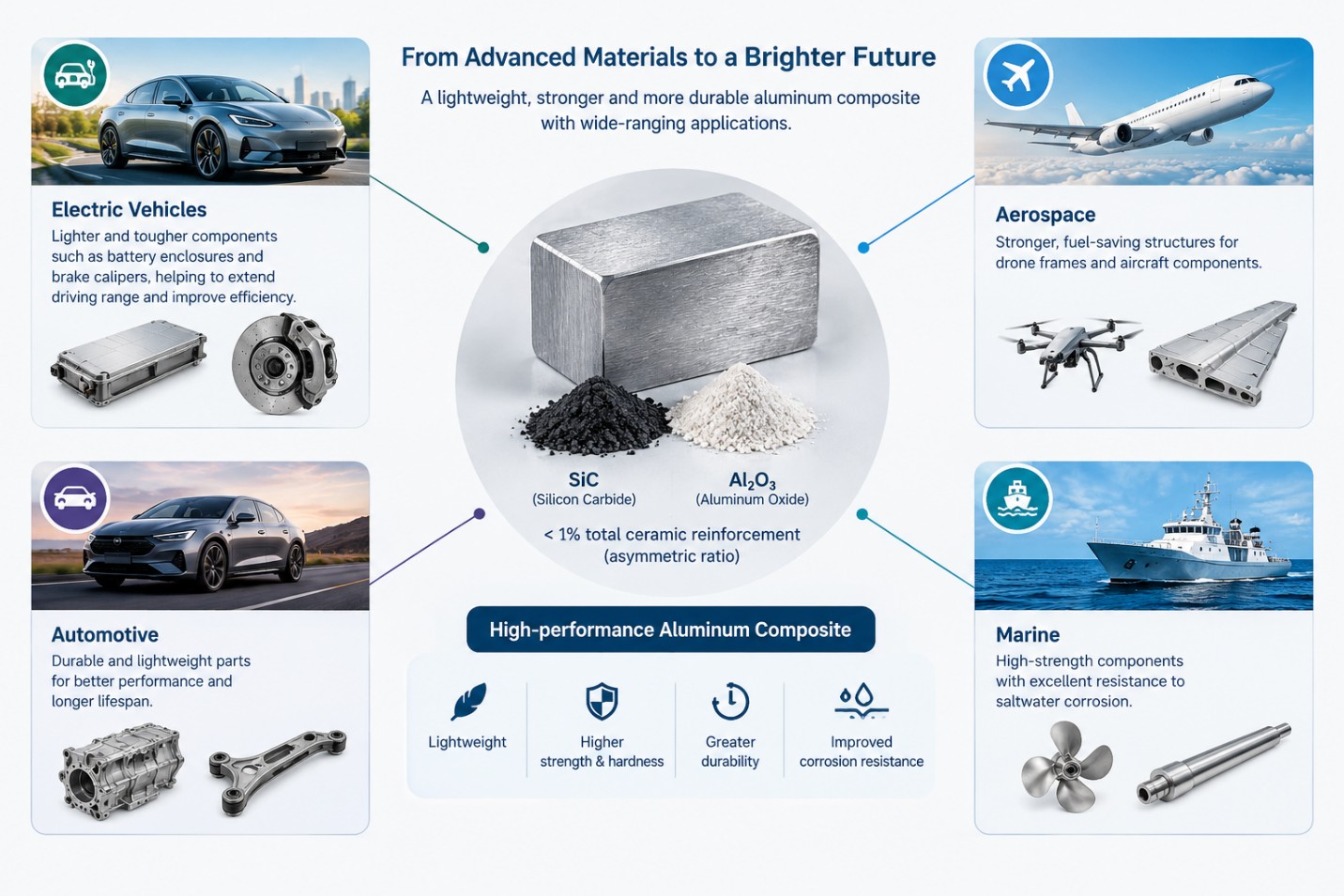
Traditionally, researchers have added relatively large amounts of hard ceramic materials, such as silicon carbide (SiC) and aluminum oxide (Al₂O₃), to strengthen aluminum. However, adding too much of these materials can make the resulting composite heavier, more brittle, and harder to manufacture. This has encouraged researchers to explore new approaches that could improve performance using much smaller additions.
The CEREM research team is investigating whether less can achieve more. The approach uses less than 1% of these ceramic materials by weight, combining them in carefully selected, unequal amounts. Silicon carbide can help improve hardness and resistance to wear, while aluminum oxide can help the material withstand high temperatures and chemical exposure. This combination offers a promising route to improving aluminum without significantly increasing its weight.
The research aims to develop an aluminum-based material with better strength, durability, and resistance to damage. If further testing confirms its potential, the material could help address some of the challenges faced by industries that need components that are both lightweight and reliable. Its low ceramic content may also help preserve the material’s surface quality and support improved corrosion resistance.
Commenting on the importance of the research, Dr. Ibrahim Alnaser, Director of CEREM, stated:
“This project is an important step forward for material innovation. By showing that tiny additions can deliver high strength, CEREM is helping create lighter, more energy-efficient materials for critical industries.”
The material could have promising applications across several industries. In the electric vehicle sector, it may offer opportunities to develop lighter battery enclosures and durable brake components, potentially helping improve energy efficiency. In aerospace, it could be explored for drone frames and aircraft parts where reducing weight is important. In the automotive industry, it may support the development of durable components, while in marine applications, its potential resistance to corrosion could make it suitable for parts exposed to seawater.
Although further research and testing are needed to confirm its performance under real operating conditions, the approach offers an encouraging direction for advanced materials development. By carefully combining small amounts of different materials, CEREM research could contribute to future aluminum composites that are lighter, stronger, and more durable.
The research highlights the potential of innovative materials design to support more efficient products and meet the growing demands of modern engineering industries.
(8)


